March 4, 2026
Preparing properly for a heating installation is essential to ensure a smooth, efficient, and safe process. Whether you are replacing an outdated system or installing a new unit, the groundwork you lay beforehand can save time, reduce disruptions, and maximize the performance of your new system. From evaluating your current heating setup to arranging home accessibility, each step plays a vital role in achieving reliable comfort and energy efficiency. Taking the time to understand your home’s specific needs and plan accordingly sets the stage for a successful and stress-free installation. By planning carefully, you can move forward confidently with your heating installation and avoid common pitfalls that delay or complicate the process.
Evaluate Your Heating Needs
Assess Your Current Heating System
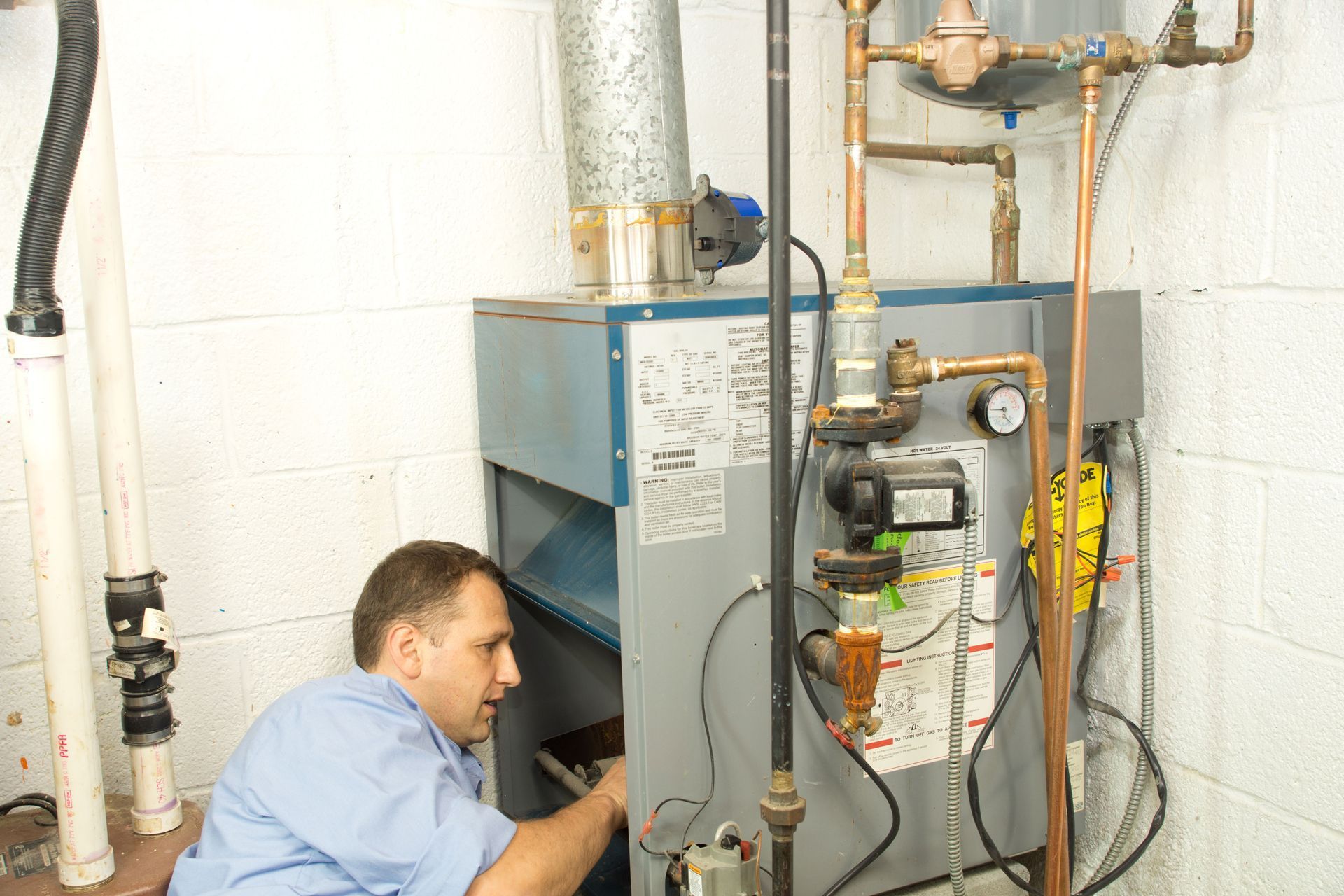
Before scheduling a heating installation, take stock of your existing system. Identify frequent issues, costly repairs, or inconsistent performance. Noting problems like uneven heating or high fuel usage helps determine if replacement is more cost-effective than repairs. Documenting these details ensures that your investment in a new system is justified and meets your household’s long-term needs.
Review past maintenance records to identify recurring malfunctions. If repair costs have repeatedly outweighed system value, this analysis confirms the need for an upgrade. Understanding your current system’s limitations highlights the features you should prioritize in a new installation, creating a tailored approach rather than a one-size-fits-all solution.
Determine Your Household Heating Requirements
Next, consider your household’s unique heating requirements. Factors such as home size, insulation quality, and local climate influence the type and capacity of the system needed. Personal comfort preferences, whether you want consistent warmth or adjustable settings, also guide the selection process.
Evaluate energy consumption alongside potential savings. Some systems can help lower utility bills while providing reliable performance. Balancing initial costs with long-term efficiency ensures your new heating installation is both practical and economical.
Research Different Types of Heating Systems
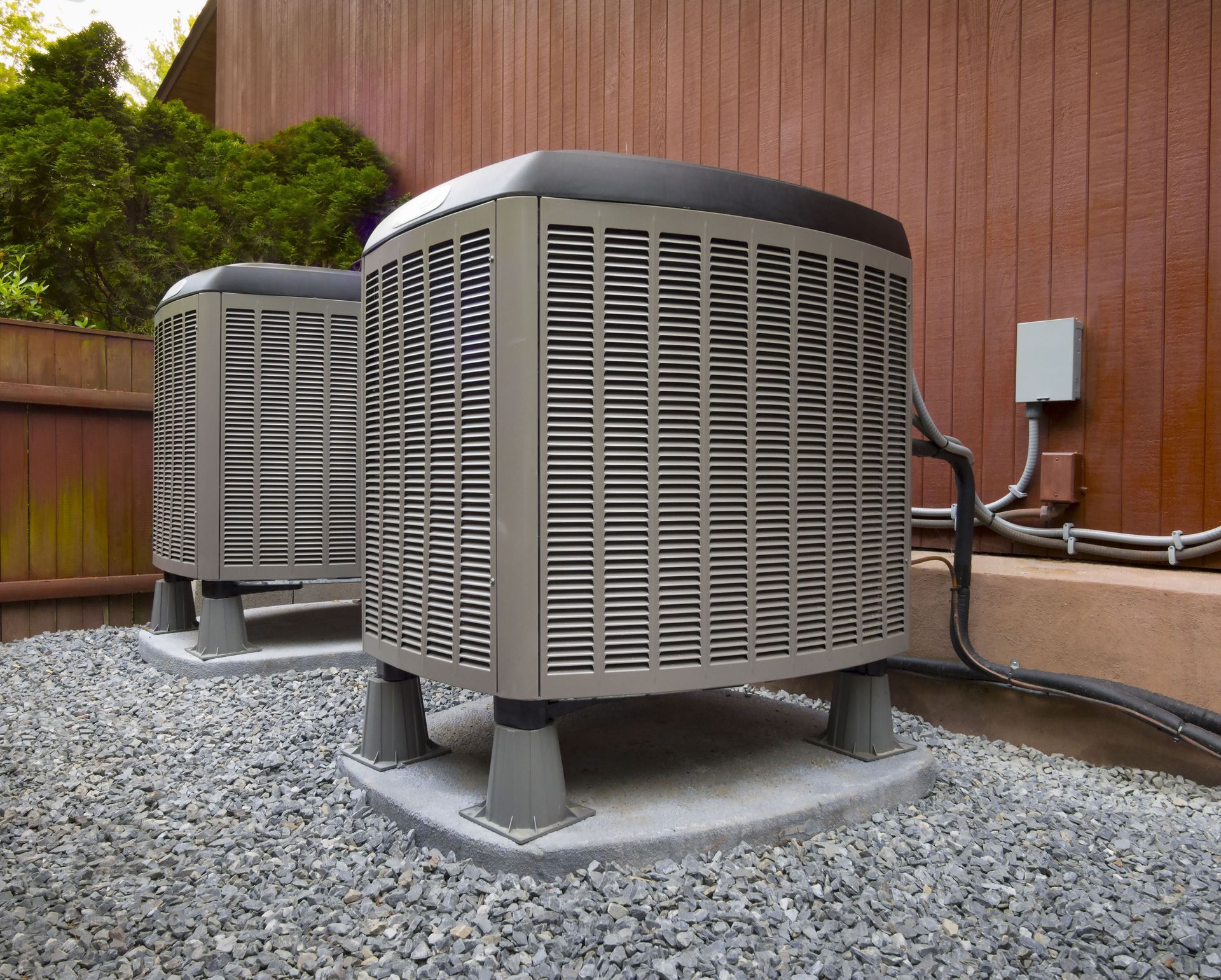
Research available heating systems, including furnaces, heat pumps, and boilers, to identify what works best for your home. Each option has advantages and limitations. For example, forced-air furnaces integrate easily with ductwork, while boilers deliver consistent heat in colder climates.
Consider fuel sources — natural gas, electricity, or oil — and evaluate how availability and pricing may affect operating costs. Modern solutions like geothermal heat pumps may require higher upfront investment but offer long-term energy savings. Ensuring system compatibility with your home’s infrastructure is crucial for a seamless heating installation.
Set a Budget for the Installation
Budgeting for a heating installation involves more than just the unit cost. Factor in labor, necessary home modifications, and potential maintenance plans. A clear budget helps prioritize features without overspending.
Seek energy-efficiency rebates or incentives to offset costs, and consider lifecycle expenses such as energy use and routine servicing. Flexibility in your budget ensures you can address unexpected needs while keeping the installation process on track.
Consult With a Heating Professional
Engaging a heating professional can clarify system requirements and installation challenges. Experts provide guidance on energy efficiency, expected system lifespan, and compatibility with your home’s infrastructure. According to IBISWorld, as of 2024, there were about 114,555 HVAC contractors in the U.S., highlighting the breadth of professional resources available.
Professional consultation ensures informed choices, streamlines system selection, and lays the groundwork for effective heating installation. Building a relationship with a qualified installer also provides ongoing support for maintenance and future upgrades.
Select the Right Heating Unit
Compare Energy Efficiency Ratings
After identifying your needs, review energy efficiency ratings. Systems with high ratings reduce utility costs and environmental impact. Look for features with certifications and high Annual Fuel Utilization Efficiency (AFUE) percentages. Consider seasonal performance and peak load efficiency to choose a system that maintains comfort year-round.
Consider Size and Output Capacity
Proper unit size is crucial. A system that is too small will struggle to heat your home, while an oversized system wastes energy. Output capacity, measured in British Thermal Units (BTUs), must match your home’s specific requirements. Correct sizing ensures energy efficiency, comfort, and system longevity.
Examine Warranty and Support Options
Review warranty terms and available support services. A comprehensive warranty protects your investment and signals manufacturer confidence. Evaluate coverage scope, exclusions, and customer support accessibility. Some systems offer extended warranties, providing additional assurance for long-term use.
Read Customer Reviews and Testimonials
Customer feedback offers insight into real-world performance. Verified reviews reveal common issues, efficiency, and reliability. Comparing multiple perspectives helps identify systems suited to your climate, home size, and lifestyle. This feedback complements technical specifications and guides selection toward a dependable heating installation.
Verify Compliance With Local Building Codes
Ensuring your system meets local building codes is vital for safety and legality. Codes dictate installation standards, clearance requirements, and safety measures. Certified professionals can confirm compliance, preventing costly adjustments and supporting a smooth installation process.
Prepare Your Home Space
Clear the Installation Area
Before installation, clear the furniture, debris, and obstacles from the work area. A clean and organized space allows installers to operate safely and efficiently. Ensure access to walls, ceilings, or floors as needed for ductwork, vents, or wiring. A tidy environment helps prevent damage to your home and supports precise system placement.
Ensure Accessibility for Installers
Provide clear paths for equipment and installers to move freely. Mark pathways if necessary and ensure doors and hallways accommodate system components. This preparation reduces delays and keeps the installation process on schedule. Accessibility also improves safety for both installers and household members.
Organize Temporary Heating Solutions
Plan for temporary heating if the installation may disrupt existing systems. Portable heaters or room-specific electric units can maintain comfort during the process. Consult with installers regarding the project timeline to coordinate temporary measures effectively. Safety precautions such as proper ventilation and distance from flammable materials are essential.
Check Electrical and Gas Connectivity
Verify that electrical and gas connections meet system requirements. Inspect circuits, outlets, and gas lines to ensure safe and reliable operation. Addressing these elements ahead of time prevents interruptions during installation and ensures optimal system performance. Qualified professionals should handle any necessary adjustments to maintain safety standards.
Plan for Pets and Children
Secure a safe space for pets and children during installation. Minimizing exposure to tools, debris, and installation activity protects household members and allows installers to work efficiently. Clear communication with children about restricted areas and routines helps maintain a smooth workflow. Proper planning ensures safety and comfort for all household members.
Schedule the Installation Service
Choose a Convenient Time
Select an installation date that minimizes household disruption. Consider weekdays when members may be away at work or school. Seasonal timing can also be important — fall or spring installations often coincide with lower heating demand, reducing discomfort during system transition. Planning strategically allows for a seamless experience.
Confirm Availability With Your Installer
Coordinate with your installer to confirm availability and schedule appointments in advance. Early confirmation ensures your preferred date and allows installers to allocate necessary resources. Clear communication supports a smooth installation process and reduces the potential for conflicts or delays.
A successful heating installation starts with thoughtful preparation, from assessing current systems to planning home access and scheduling appointments. Each step contributes to efficiency, comfort, and long-term performance. At Ray's Heating & Cooling, we guide our clients through the entire process, ensuring installations proceed safely and seamlessly. Contact us today to discuss your heating installation needs and experience a professional, reliable service tailored to your home.