June 4, 2026
In today's world, energy efficiency is more important than ever. Your HVAC system can be a significant energy drain, but with the right tips, you can reduce energy consumption while keeping your home comfortable. This article explores several effective strategies to enhance your HVAC system's efficiency. Implementing these strategies with the help of professional furnace services can benefit your home and create a more sustainable environment.
1. Schedule Regular Maintenance Checks
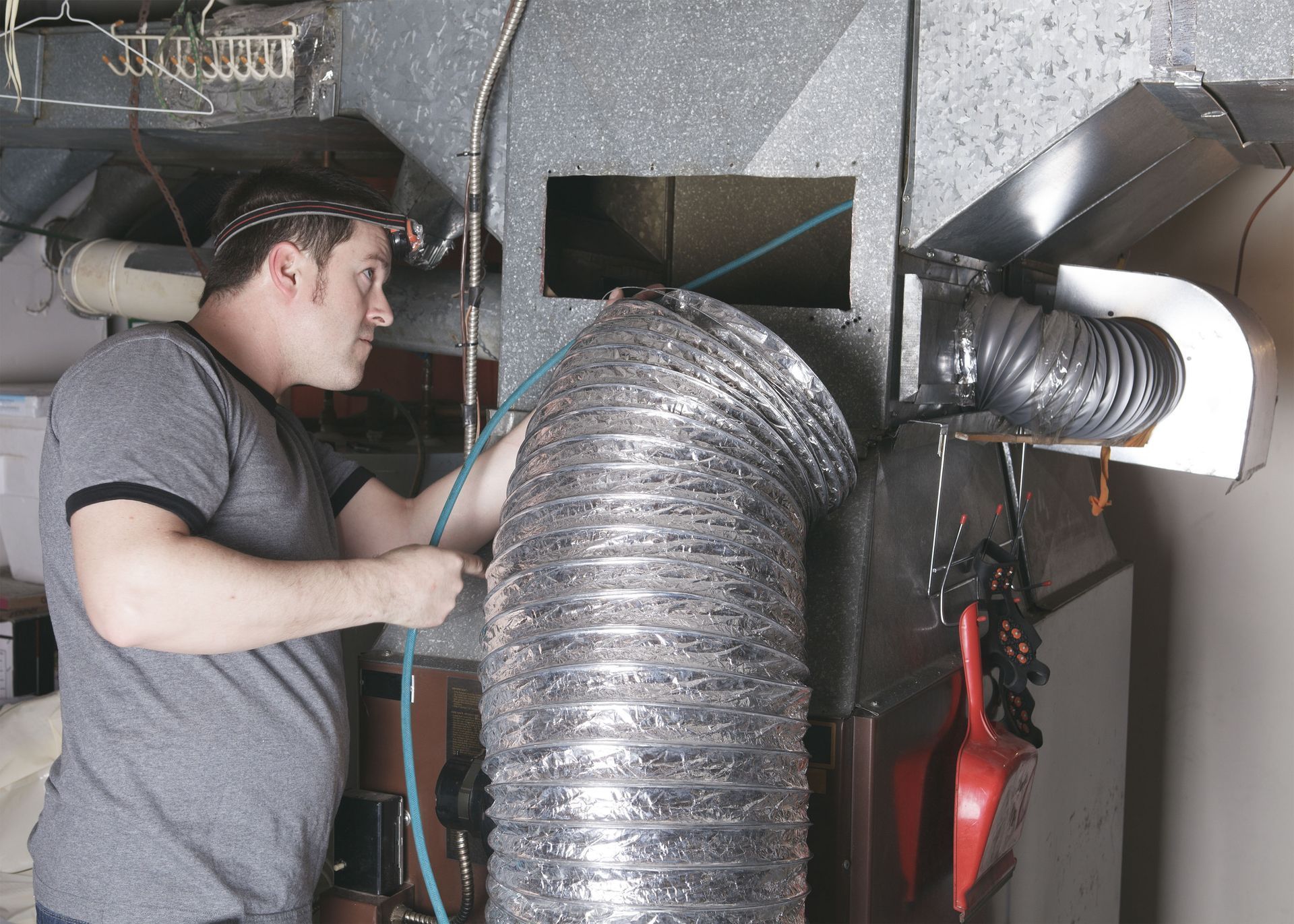
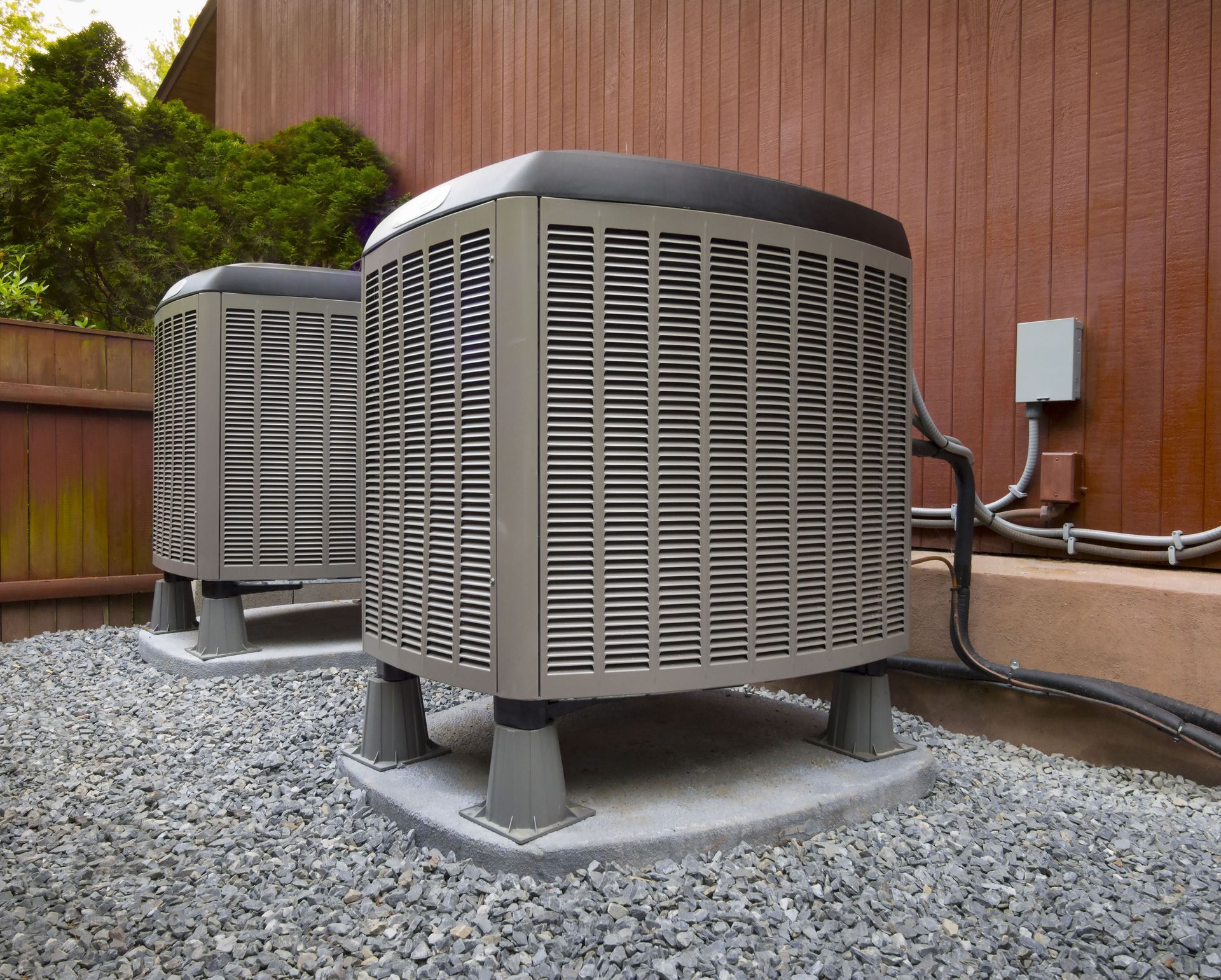
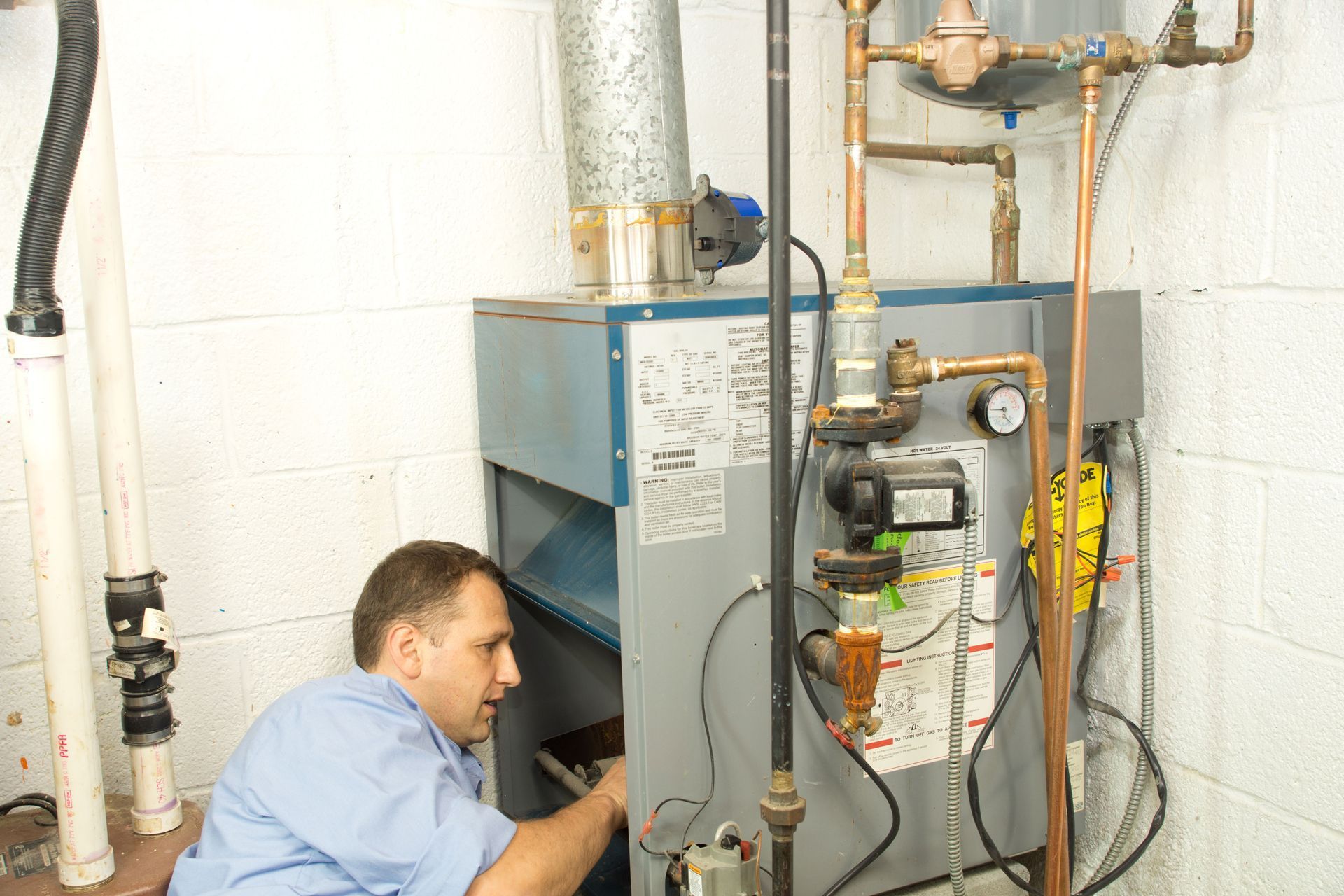
Regular maintenance on your HVAC system is essential to ensure it runs efficiently. One of the primary steps is scheduling seasonal inspections from furnace services, which helps detect and resolve any potential issues before they escalate. During professional inspections, technicians can check for refrigerant levels, electrical connections, and other key components. Regular maintenance not only enhances the system's lifespan but also improves its efficiency, reducing energy consumption. In addition to professional inspections, homeowners should replace or clean air filters on a monthly basis to ensure clean airflow and optimal performance.
Replacing or cleaning air filters monthly is crucial to maintaining good indoor air quality and reducing strain on the HVAC system. When air filters are clogged, they hinder airflow and cause the system to work harder, consuming more energy. Clean filters mean the HVAC system can operate effectively, ensuring consistent airflow throughout the house. Moreover, by keeping air filters clean, you also protect the internal components of your system from dust buildup, which can cause malfunctions. This simple maintenance step plays a significant role in ensuring your system remains energy efficient.
Another vital aspect of maintenance is inspecting ductwork for leaks, which can lead to significant energy loss if not addressed. Leaks in ductwork cause conditioned air to escape before it reaches its intended destination, forcing the system to run longer to achieve the desired temperature. By sealing leaks, you can improve your system's efficiency and comfort levels within the home. Additionally, check the accuracy of your thermostat settings regularly, as an incorrect thermostat can lead to inefficiencies. Keeping moving parts lubricated is also essential to ensure smooth operation and prevent power losses due to mechanical friction.
2. Optimize Thermostat Use
Optimizing thermostat use is a simple yet effective way to enhance HVAC system efficiency. Programmable thermostats allow you to set specific temperatures for different times of the day, ensuring optimal energy use. According to This Old House, you can save energy by setting your home's thermostat between 68 and 70 degrees when you are home and lowering it while you're asleep or away. This customization helps minimize energy use during peak hours and maximizes comfort when needed. Moreover, with today's technology, smart thermostats offer additional features like remote operation, learning your schedule, and adjusting automatically.
Expert providers of furnace services also recommend setting temperature zones; these can drastically increase energy savings and comfort by directing heating or cooling only to occupied areas. By programming separate zones, you ensure rooms are heated or cooled as needed, rather than maintaining the same temperature throughout the house. This targeted approach avoids overworking the system and reduces unnecessary energy use. Utilizing smart thermostat features can further streamline HVAC performance by allowing more precise control over your environment. Smart thermostats often integrate with other home systems and can even provide energy usage reports for better understanding and control.
Strategically setting temperatures by adjusting them according to occupancy or weather changes can enhance energy savings. For example, lowering the thermostat while at work or when it's sunny outside can cut down on unnecessary energy usage. Additionally, placement of the thermostat is crucial; ensure it is located away from heat sources like windows or direct sunlight. Incorrect placement can lead to false readings and cause the system to overheat your living space. By taking these measures, you ensure the thermostat operates efficiently, contributing to overall energy savings.
3. Improve Home Insulation
Improving home insulation is key to enhancing HVAC efficiency as it reduces the amount of energy lost through your home's structure. Professional furnace services can help you seal windows and doors, one of the most impactful steps you can take. Gaps or cracks around windows and doors let conditioned air escape and allow drafts in, forcing the HVAC system to work harder. Applying caulking or weatherstripping to these areas creates an airtight seal, maintaining interior temperatures more consistently. Additional insulation tasks include adding insulation to attics and walls to prevent heat transfer through building structures.
Adding insulation to attics and walls can significantly reduce energy consumption by limiting heat exchange between indoor and outdoor environments. Insulation is a long-term investment that results in a more consistent indoor climate year-round. By preventing heat from escaping in the winter and entering during the summer, the HVAC system runs more efficiently. Another improvement is the use of energy-efficient windows, which are designed to provide better insulation than standard windows. This can lead to substantial energy savings over time, especially in regions with extreme temperatures.
Moreover, installing draft stoppers for doors and weatherstripping the garage door are practical and economical ways to enhance insulation. Draft stoppers prevent cold air from seeping in under doors, while weatherstripping the garage door reduces air leaks in attached garages. Both measures are easy DIY projects that provide immediate comfort and efficiency benefits. The cumulative effect of these small improvements can be substantial, leading to noticeable reductions in your energy bill. Taking a comprehensive approach to insulation ensures your HVAC system works more efficiently, conserving energy and saving money.
4. Enhance Airflow
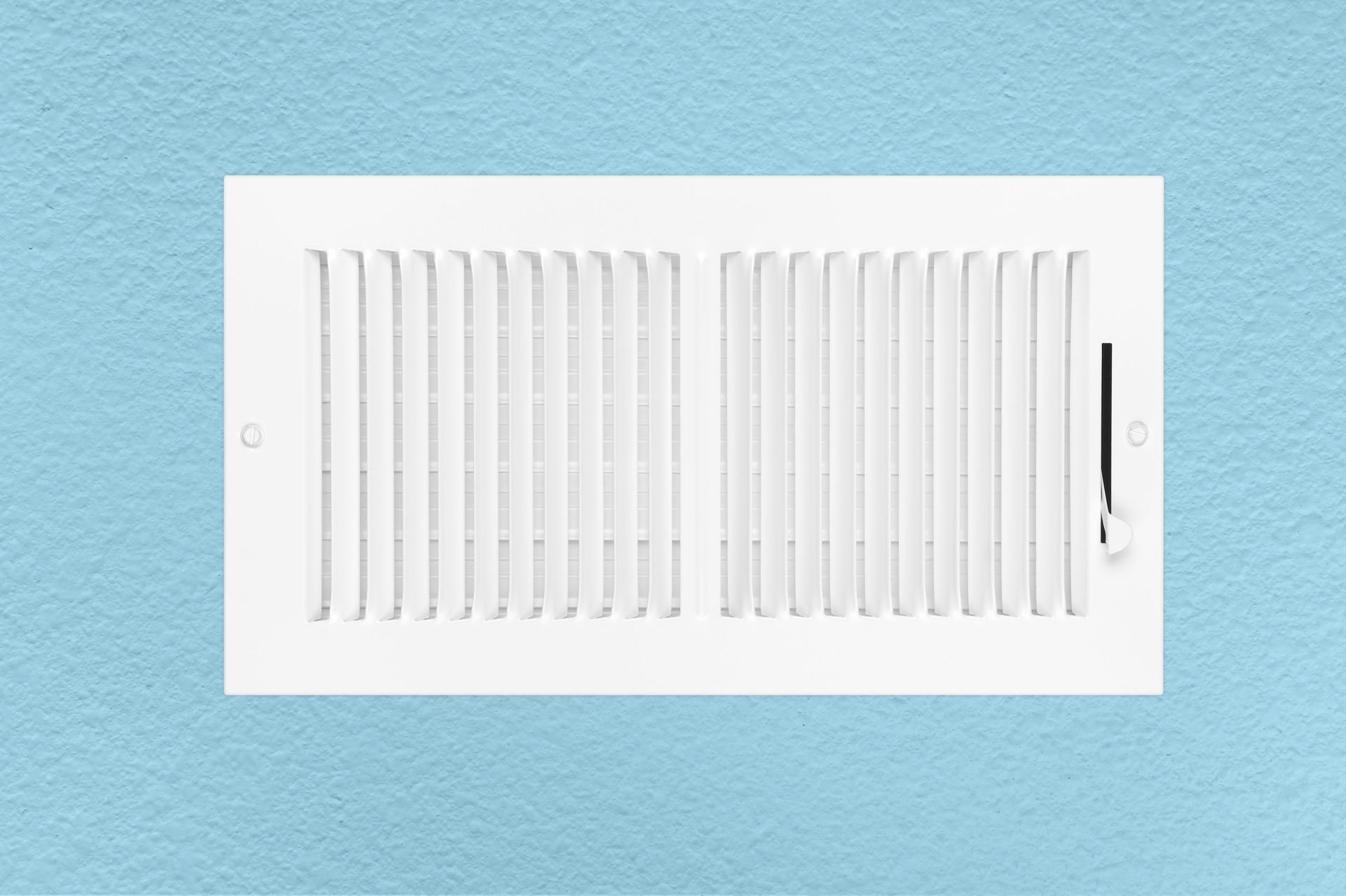
Enhancing airflow in your home is a crucial step in optimizing HVAC system performance. Start by cleaning vents and registers regularly to ensure unobstructed air movement throughout the house. Dust and debris accumulation can impede airflow, leading to increased energy consumption as the system struggles to maintain set temperatures. By keeping these components clean with the assistance of furnace services allows the HVAC system to operate at its intended capacity, promoting consistent temperatures and improves overall air quality. Additionally, removing obstructions around indoor units prevents the blockage of airflow, further increasing system efficiency.
Removing obstructions around indoor units involves ensuring furniture and other household items are not placed too close to vents and air returns. Proper airflow requires that air can move freely without encountering barriers that can create zones of stagnant air. This approach not only enhances HVAC efficiency but also promotes more even temperature distribution within your home. Ceiling fans can be utilized to complement the HVAC system by circulating air more effectively. By using ceiling fans, you can set the thermostat higher in the summer and lower in the winter without compromising comfort, which can lead to energy savings.
Balancing airflow using dampers within the ductwork can optimize system efficiency and increase comfort. Dampers allow you to adjust airflow to specific areas of the house, ensuring each zone receives the right amount of conditioned air. Additionally, conducting a blower door test can help identify leaks in a home's envelope, revealing areas that need improvement. This test uses a powerful fan to draw air out of the house, highlighting where outside air is entering. Addressing identified leaks reduces the workload on the HVAC system and maintains more stable indoor temperatures, conserving energy.
Implementing these tips can significantly reduce the energy consumption of your HVAC system, thus saving you money and contributing to environmental sustainability. By staying proactive in maintaining and optimizing your system, you ensure a more comfortable and energy-efficient home all year round. Each strategy outlined contributes uniquely to enhancing system performance. If you're searching for professional furnace services to help you maximize your home's energy efficiency, reach out to Ray's Heating & Cooling today!