April 29, 2026
Maintaining a comfortable home environment depends heavily on the reliability of an air conditioning system. When temperatures rise, the cooling unit becomes the most essential appliance in the household, working tirelessly to remove heat and humidity from the living space. However, every mechanical system has a finite lifespan, and there comes a point where repairs are no longer a viable or cost-effective solution. Recognizing the subtle and obvious indicators that an air conditioner is failing can prevent the discomfort of a total breakdown during the peak of summer. Homeowners who stay proactive about their cooling needs can avoid emergencies and make informed decisions about their home comfort investments.
Understanding the typical lifecycle of these units is the first step in evaluating whether it is time for a replacement. Many factors contribute to the gradual decline of a cooling system, including usage patterns, environmental conditions, and the consistency of professional maintenance. While some issues can be resolved with a quick fix, others point to systemic failures that suggest the unit is nearing its end. By paying close attention to the performance and efficiency of the air conditioner, residents can determine if they are better served by a modern, energy-efficient model that offers superior cooling and lower operational costs. Addressing potential issues sooner rather than later can help reduce future repair expenses and give you peace of mind while inside your property.
1. Observing Rising Energy Expenditures
One of the most common signs that an air conditioner is struggling is a steady and unexplained increase in monthly utility bills. As internal components wear down, the motor and compressor must work significantly harder to achieve the same cooling results that used to be effortless. This increased exertion translates directly into higher electricity consumption, often becoming noticeable even when weather patterns remain consistent. When the cooling system is no longer able to operate within its designed efficiency parameters, it becomes a financial burden that persists throughout the warmer months.
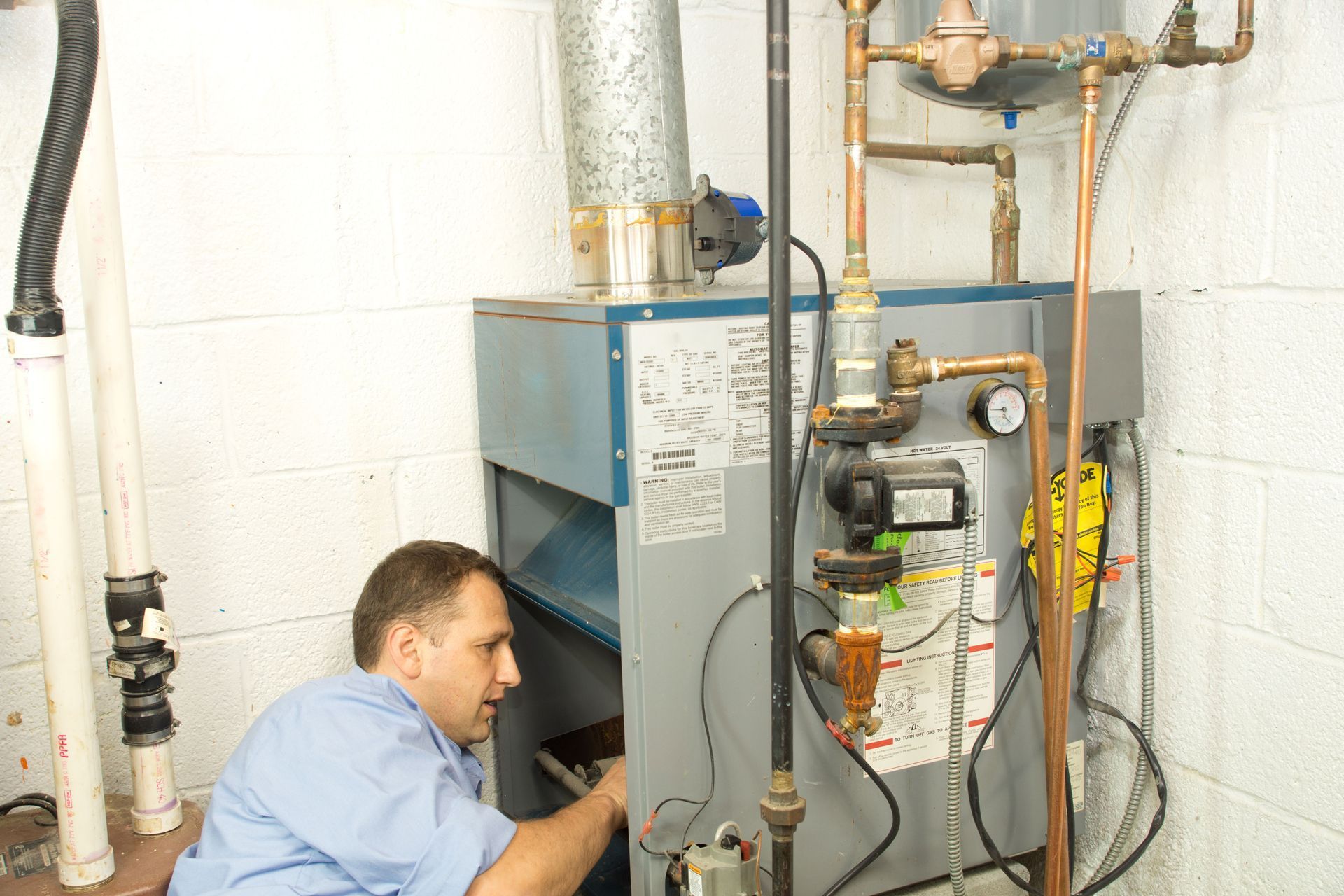
Comparing current energy costs to previous years can provide a clear picture of declining performance. If the bills continue to climb despite regular filter changes and basic upkeep, it suggests that the unit is losing its ability to transfer heat effectively. In some cases, homeowners might even consider a furnace install at the same time as an air conditioner replacement to ensure that the entire climate control system is optimized for efficiency. Upgrading to a newer model often pays for itself over time through the substantial savings realized on monthly energy statements.
2. Identifying Frequent Mechanical Failures
A cooling system that requires constant professional intervention is a clear candidate for replacement. While occasional repairs are expected over the life of any appliance, a pattern of recurring breakdowns indicates that the system is structurally compromised. Frequent service calls for issues like refrigerant leaks, failing capacitors, or broken fan motors can quickly exceed the cost of a brand new unit. Relying on a system that is prone to failure creates a sense of uncertainty and leaves the household vulnerable to extreme heat when the unit inevitably quits again.
Evaluating the total cost of repairs over the past few seasons is a helpful way to gauge the value of the current equipment. If the frequency of these visits is increasing, it is a sign that the components are failing in a chain reaction. This is often the point where a furnace install is discussed as part of a comprehensive home comfort upgrade to prevent similar reliability issues with the heating side of the system. Choosing to replace a failing unit allows for a fresh start with full warranty protection and the peace of mind that comes with dependable operation.
3. Evaluating the Age of the Equipment
The age of the unit is perhaps the most objective metric for determining if a replacement is necessary. Older systems utilize outdated technology and refrigerants that are becoming increasingly difficult and expensive to source. As parts become obsolete, the feasibility of maintaining an aging unit diminishes significantly. According to HomeGuide, a well-maintained air conditioner typically lasts 12 to 15 years. Once a system passes this threshold, the likelihood of a major component failure increases exponentially, making it risky to continue relying on the aged hardware.
Technological advancements in the HVAC industry have moved rapidly over the last decade, meaning a unit from fifteen years ago is vastly less efficient than a modern counterpart. Older systems often struggle to maintain consistent temperatures and may fail to dehumidify the air properly, leading to a clammy and uncomfortable indoor environment. When planning for the future, many people look at the age of their entire mechanical closet, sometimes scheduling a furnace install alongside the new air conditioner to avoid the hassle of multiple separate projects. Modernizing the system ensures compliance with current environmental standards and provides better airflow throughout the home.
4. Noticing Unusual Auditory Disruptions
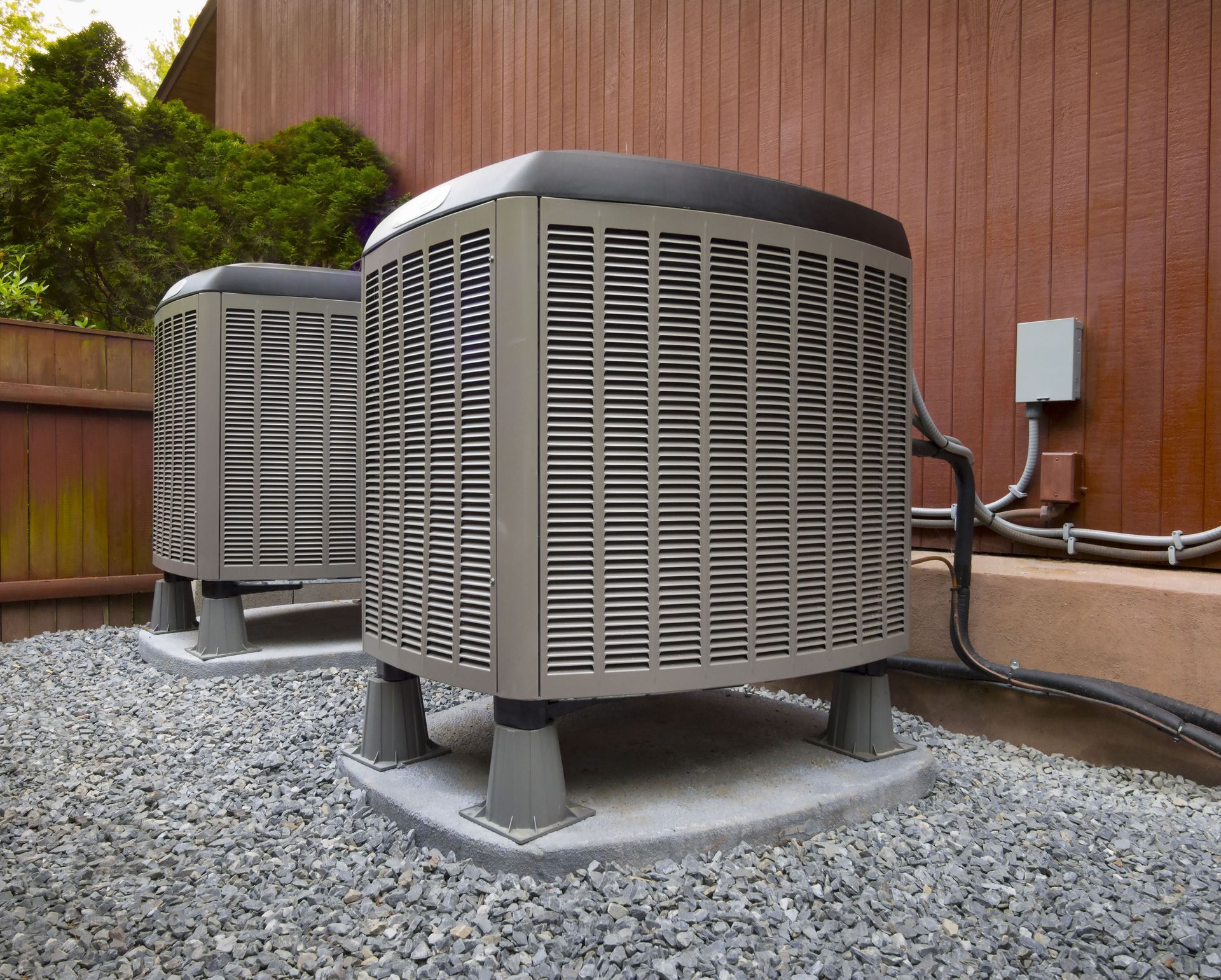
Air conditioners are designed to operate relatively quietly, with most of the noise contained within the outdoor condenser unit. When a system begins to produce loud grinding, squealing, or banging sounds, it is an urgent signal that something is wrong internally. These noises often point to serious mechanical issues such as a failing compressor, a loose belt, or a motor that is nearing the end of its life. Ignoring these auditory warnings can lead to a catastrophic failure that might damage other parts of the system or even create a safety hazard.
While some noises can be attributed to a loose panel or a small obstruction, persistent and loud sounds usually mean the unit is under extreme stress. A system that rattles every time it kicks on is likely suffering from vibration damage that has loosened internal connections over time. During a consultation for a new cooling system, it is common to evaluate the heating equipment as well, as a furnace install can often be integrated into the same ductwork to provide a whisper-quiet experience for both seasons. Moving to a modern unit eliminates these disruptive sounds and restores the peaceful atmosphere of the home.
Deciding to invest in a new air conditioning unit is a major step toward long-term home comfort and financial stability. While the initial cost of a new system is a consideration, the benefits of improved reliability, lower energy bills, and enhanced indoor air quality far outweigh the expense of maintaining a failing machine. Monitoring the age, sound, and efficiency of the current unit allows for a planned replacement rather than a forced purchase during a heatwave. This proactive approach ensures that the household remains a sanctuary of cool air regardless of how high the temperature climbs outside.
When the signs of failure become impossible to ignore, it is important to work with professionals who can guide the selection process and ensure a flawless installation. Coordinating the various components of home heating and cooling, including a potential furnace install, ensures that the home operates as a single, efficient machine. Taking action today means enjoying a more comfortable, quiet, and affordable home environment for many years to come. To explore your options for a more efficient home, to receive expert guidance on your cooling needs, or if you need a furnace install , please contact Ray's Heating & Cooling.